A capsule wardrobe is a small, deliberately chosen collection of clothes that all work together. Instead of owning dozens of items that only pair with one or two other pieces, you own fewer things that mix and match freely. The result is a closet where almost everything goes with almost everything else, which makes getting dressed faster and shopping less frequent.

The idea isn’t new. It has circulated in fashion and lifestyle writing for decades, usually resurfacing whenever people start questioning how much they actually wear versus how much they own. What keeps it relevant is simple: most people wear a small fraction of their clothes regularly, while the rest sits unused. A capsule wardrobe is an attempt to close that gap.
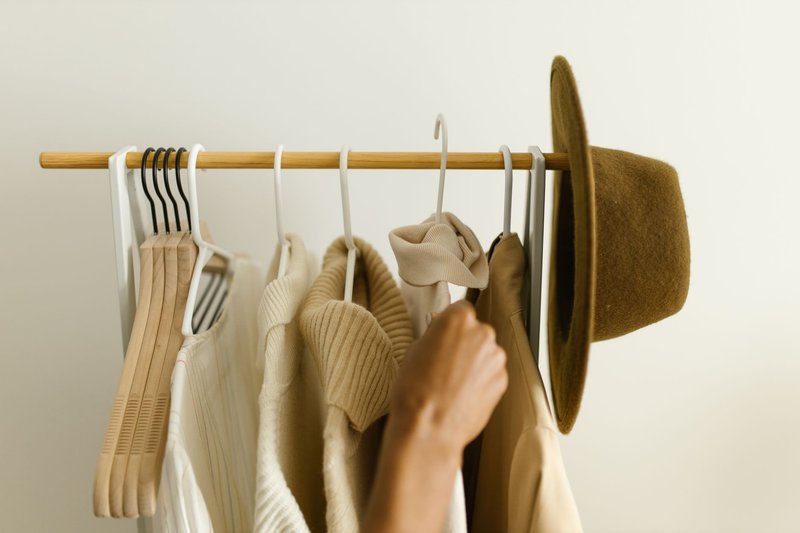
What Exactly Is a Capsule Wardrobe?
At its core, a capsule wardrobe is a limited set of clothing items — often somewhere between 25 and 50 pieces, though there’s no fixed rule — chosen because they share a common color palette and style, and because they can be combined into many different outfits. It typically excludes underwear, sleepwear, and workout gear, focusing instead on the everyday and work-appropriate clothes you rotate through most often.
The point isn’t deprivation. It’s intention. A capsule wardrobe is built around what you actually wear and need, not around trends or impulse purchases that end up ignored in the back of a drawer.
Capsule Wardrobe vs. Minimalist Wardrobe
These terms get used interchangeably, but there’s a slight difference. Minimalism, as a broader concept, is about owning less across the board. A capsule wardrobe applies that thinking specifically to clothing, with an added emphasis on coordination — every piece should be able to pair with several others. You could have a minimalist wardrobe that isn’t a true capsule if the pieces don’t mix well together.
Why People Build Capsule Wardrobes
The reasons vary, but a few come up consistently:
- Less decision fatigue. Fewer, better-coordinated options mean less time spent staring into a closet each morning.
- Lower spending over time. Buying fewer, higher-quality pieces can reduce the cycle of cheap purchases that wear out quickly.
- Easier to pack and travel with. A wardrobe built on mix-and-match logic naturally translates into lighter luggage.
- A clearer sense of personal style. Curating a small set of clothes forces you to think about what you actually like to wear, rather than what you happened to buy.
It’s worth noting that a capsule wardrobe isn’t inherently about owning as little as possible. Some people keep their capsules quite small; others land closer to 40 or 50 pieces and still consider it a capsule because everything works together. The number matters less than the coordination.
How to Build a Capsule Wardrobe
Building a capsule wardrobe is less about buying new clothes and more about auditing what you already own, identifying gaps, and being selective going forward. Here’s a practical sequence to follow.
1. Take Stock of What You Have
Before adding anything, empty your closet and drawers and look at everything at once. Sort items into rough categories: things you wear regularly, things you rarely wear, and things you haven’t worn in the last year. Try items on if you’re unsure how they fit or how they make you feel. This step alone often reveals patterns — certain colors you gravitate toward, certain cuts that never quite work, or duplicate items you forgot you owned.
2. Define Your Lifestyle and Needs
A capsule wardrobe should reflect how you actually spend your time, not an idealized version of your life. Think through the categories that matter to you: work, casual weekends, exercise, social occasions, and any specific climate considerations. Someone who works from home needs a different capsule than someone in a client-facing office job, and someone in a cold climate needs different proportions of layers than someone in a warm one.
3. Choose a Core Color Palette
Color coordination is what makes a capsule wardrobe function. Pick two or three neutral base colors — common choices include black, navy, gray, beige, and white — and then one or two accent colors that you genuinely like wearing. Every piece you keep or buy should work within this palette. This is the single most important step for ensuring pieces mix and match, since clashing colors are the main reason wardrobes feel disjointed even when there aren’t many items in them.
4. Select Timeless, Versatile Pieces
With your palette set, focus on pieces that aren’t tied to a specific trend or season and that can be dressed up or down. Some examples that tend to work across many lifestyles:
- A well-fitting pair of dark jeans or trousers
- A neutral blazer or structured jacket
- A few solid-colored t-shirts or fitted tops
- A button-down shirt in a neutral tone
- A versatile dress, if dresses suit your lifestyle
- A knit sweater or cardigan
- One or two pairs of shoes that work with most outfits
- A coat suited to your climate
The goal isn’t to copy this list exactly but to identify the equivalents that suit your own life and taste. A capsule built around someone else’s idea of “essentials” won’t feel authentic or get worn.
5. Prioritize Fit and Fabric Quality
Because you’ll be wearing each piece more often in a smaller wardrobe, fit and construction matter more than they would if the item were one of fifty options. Clothes that fit well and are made from durable fabric will hold up to repeated wear and washing, and they’ll generally look better on you than something loose or poorly constructed, regardless of price.
6. Fill Gaps Deliberately
Once you know what you’re keeping, make a short list of what’s missing — perhaps you have plenty of tops but no jacket that matches your palette, or your only pair of work shoes is falling apart. Shop from this list rather than browsing without a plan. Buying to fill a specific, identified gap is far more effective than buying because something looked appealing in a store.
7. Set Aside or Remove the Rest
Items that don’t fit your palette, your lifestyle, or your body anymore can be sold, donated, or stored elsewhere. You don’t have to get rid of everything at once — some people keep a separate box for sentimental or occasional-use items rather than forcing them into the everyday capsule.
Adjusting Your Capsule Over Time
A capsule wardrobe isn’t a one-time project you finish and forget. Many people rework their capsule with the change of seasons, swapping heavier layers for lighter ones and adjusting a color or two as tastes shift. Others keep one core capsule year-round and simply add a small number of seasonal pieces. There’s no single correct method — the goal is to periodically revisit whether your clothes still match your actual life, rather than letting the wardrobe passively grow again.
Common Mistakes to Avoid
- Copying someone else’s list exactly. A capsule built for another person’s climate, job, or taste won’t necessarily suit yours.
- Choosing colors you don’t actually like. Coordination matters, but so does wanting to wear the clothes.
- Rushing to buy everything at once. Building a capsule gradually, replacing worn-out items thoughtfully, tends to produce better results than a single large shopping trip.
- Ignoring how clothes actually fit your body now. A capsule works best when every piece fits well today, not how you hope to fit in the future.
Building a capsule wardrobe is ultimately a process of paying closer attention to what you wear and why. Once the core pieces and palette are in place, dressing becomes simpler, and the closet stops accumulating things that never get worn.