Between early meetings, long commutes, and evening obligations, finding time to cook a proper meal can feel impossible. Meal prepping for busy professionals is not about spending an entire Sunday in the kitchen or eating the same bland chicken and rice for five days straight. Done well, it is a system that gives you control over what you eat while freeing up hours during the week. This guide walks through the basics: planning, shopping, storage, and a few sample weekly plans to get you started.

Why Meal Prepping Works for a Demanding Schedule
The core idea behind meal prepping is simple: you shift the time cost of cooking from the middle of a busy week to a single, planned block of time. Instead of deciding what to eat every night after a long day, you make those decisions once, in advance, when you have the mental bandwidth to think clearly about nutrition, budget, and variety.
This approach also reduces the temptation to order takeout or grab something quick but low in nutritional value. When a healthy meal is already in the fridge and ready to heat, it becomes the path of least resistance rather than the one requiring extra effort.
Getting Started: The Planning Stage
Choose a Prep Style That Fits Your Life
Not everyone needs to prep the same way. Consider which of these styles suits your schedule and preferences:
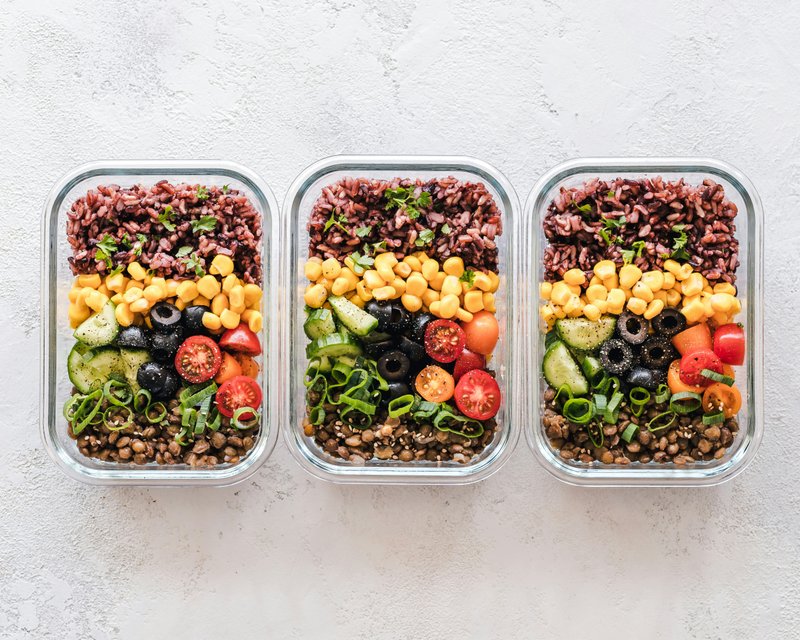
- Full meal prep: Cooking complete meals in advance and storing them in individual containers, ready to reheat.
- Batch cooking components: Preparing building blocks separately, such as grains, proteins, and roasted vegetables, then combining them differently throughout the week for variety.
- Ingredient prep only: Washing, chopping, and portioning raw ingredients so that cooking on weeknights takes less time, even though the actual cooking still happens daily.
Many people find that a hybrid approach works best: fully prepping breakfasts and lunches, while keeping dinner flexible with pre-chopped ingredients ready to go.
Build a Simple Weekly Routine
Pick one or two fixed times each week for prepping. Sunday afternoon is common, but a weekday evening can work just as well if your weekends are busy. Consistency matters more than the specific day. Once prepping becomes a routine rather than a decision you have to make each week, it stops feeling like a chore.
Creating a Grocery List That Actually Works
A disorganized grocery list leads to wasted trips, forgotten ingredients, and impulse purchases. Structure your list around the meals you have planned, and organize it by store section so you are not backtracking through the aisles.
Core Categories to Include
- Proteins: Chicken, fish, eggs, tofu, beans, or lentils, depending on your preferences.
- Grains and starches: Rice, quinoa, pasta, or potatoes.
- Vegetables: A mix of quick-cooking options (spinach, bell peppers) and longer-lasting ones (carrots, broccoli, cabbage).
- Healthy fats: Olive oil, nuts, seeds, or avocado.
- Flavor builders: Herbs, spices, sauces, and condiments that let you vary the taste of similar base ingredients.
Keep a running list on your phone throughout the week so you can add items as you notice you are running low, rather than trying to remember everything at once before shopping.
Shop With a Plan, Not Just a List
Before heading to the store, decide roughly how many meals you are prepping and how many servings each requires. Buying in the right quantities avoids both food waste and last-minute grocery runs mid-week.
Storage Tips That Keep Food Fresh and Safe
Good storage is what separates meal prep that actually saves time from meal prep that ends up in the bin. A few practical guidelines:
- Use clear, airtight containers. Glass containers are more durable and microwave-safe, while stackable containers save fridge and cabinet space.
- Cool food before sealing it. Sealing hot food traps steam, which speeds up spoilage and can affect texture.
- Label everything. A simple label with the dish name and the date it was made prevents confusion later in the week.
- Store sauces and dressings separately. Keeping wet ingredients apart from grains or salads prevents sogginess.
- Freeze what you will not eat within a few days. Most cooked grains, soups, and stews freeze well and can be thawed as needed.
Know Your Timelines
Most cooked meals stay fresh in the refrigerator for a few days. If you are prepping for a full week, plan to freeze half the batch and move it to the fridge partway through the week, rather than leaving everything refrigerated from day one.
Time-Saving Techniques for the Kitchen
Cook Multiple Things at Once
Use your oven, stovetop, and any additional appliances like a slow cooker or rice cooker simultaneously. While a tray of vegetables roasts in the oven, you can be cooking a protein on the stove and grains in a rice cooker at the same time.
Batch Similar Tasks
Chop all your vegetables in one sitting rather than switching between chopping and cooking repeatedly. This reduces the mental switching cost and keeps your workspace cleaner.
Rely on a Few Reliable Recipes
You do not need a new recipe every week. Having three or four base recipes you can rotate, adjusting the protein or vegetable each time, reduces decision fatigue and makes shopping simpler.
Sample Weekly Meal Plans
Plan One: Balanced and Simple
- Breakfast: Overnight oats with fruit and nuts (prepped in individual jars)
- Lunch: Grilled chicken, roasted sweet potato, and steamed broccoli
- Dinner: Stir-fried tofu or beef with mixed vegetables over rice
- Snacks: Cut vegetables with hummus, or a handful of nuts
Plan Two: Vegetarian-Focused
- Breakfast: Greek yogurt with granola and berries
- Lunch: Lentil and vegetable soup with a slice of whole-grain bread
- Dinner: Chickpea and vegetable curry with quinoa
- Snacks: Fruit and a small portion of cheese
Plan Three: Low-Prep, High-Flexibility
- Breakfast: Hard-boiled eggs and whole-grain toast
- Lunch: Pre-cooked grain bowls with rotating vegetables and a protein of choice
- Dinner: Sheet-pan salmon with roasted vegetables, prepared fresh but using pre-chopped ingredients
- Snacks: Trail mix or a piece of fruit
These plans are starting points. Adjust portion sizes, ingredients, and flavors based on your dietary needs, taste preferences, and how much time you realistically have each week.
Conclusion
Meal prepping for busy professionals does not require perfection or elaborate cooking skills. It requires a workable routine: a plan for what you will eat, a grocery list that supports that plan, and storage habits that keep food safe and appealing throughout the week. Start small, perhaps by prepping just lunches or breakfasts, and expand the habit once it feels manageable. Over time, the upfront effort pays off in fewer stressful weeknight decisions and more consistent, healthier eating.