An emergency fund is the financial buffer that keeps a car repair, a medical bill, or a sudden job loss from turning into a crisis. Without one, unexpected expenses often end up on a credit card, where they can linger for months or years and cost far more in interest. Learning how to build an emergency fund from scratch does not require a high income or complex financial knowledge — it requires a clear target, the right kind of account, and a saving habit that survives contact with real life.
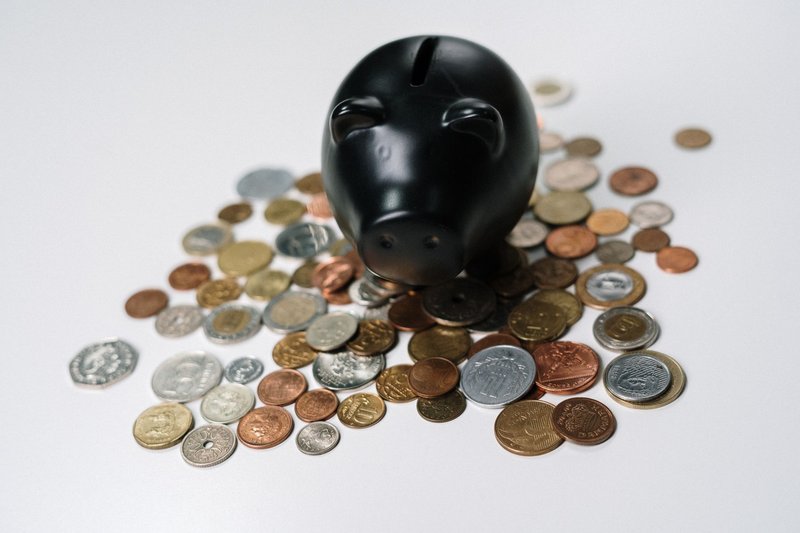

Why an Emergency Fund Matters
The purpose of an emergency fund is narrow and specific: it exists to cover expenses you did not see coming. This is different from a vacation fund, a house deposit, or general savings. Because it needs to be available at short notice, it has to be kept somewhere accessible rather than tied up in investments or locked away in a account with withdrawal penalties.
Having this cushion changes how you respond to bad news. A broken boiler or an unexpected dental bill becomes an inconvenience rather than a debt spiral. It also gives you more freedom in other areas of life — for example, more room to leave a job that isn’t working out, rather than staying purely out of financial necessity.
Working Out How Much You Need
There is no single correct number, but there is a reasonable method for arriving at one that fits your circumstances.
Start with your essential monthly costs
List what you actually need to spend each month to keep your household running: rent or mortgage, utilities, groceries, insurance, minimum debt payments, transport, and childcare if applicable. Leave out discretionary spending like dining out, subscriptions, or entertainment — the emergency fund is not meant to maintain your normal lifestyle, only to keep you afloat.
Decide on a coverage target
A common guideline is to aim for three to six months of essential expenses. Where you land in that range depends on your situation:
- Closer to three months may be reasonable if you have stable employment, a second income in the household, or strong job security.
- Closer to six months or more makes sense if your income is variable, you’re self-employed, you work in an industry prone to layoffs, or you’re the sole earner in your household.
If even three months feels like an impossible mountain right now, that’s fine. The goal is direction, not perfection. A smaller interim target — such as one month of expenses, or a flat amount like $1,000 — gives you something achievable to work toward first, before scaling up to the fuller goal.
Where to Keep an Emergency Fund
The right account balances three things: safety, accessibility, and a reasonable return. It should not be exposed to market risk, and you should be able to get to the money within a day or two without penalties.
High-yield savings accounts
These are generally the best fit for most people. They keep your money separate from everyday spending, offer a better interest rate than a standard checking account, and still allow relatively quick transfers when you need the funds.
Keeping it separate from checking
Whatever account you choose, keep it distinct from the account you use for daily spending. If the money is visible every time you check your balance for groceries or bills, it becomes much easier to dip into for non-emergencies. A separate account, ideally at a different institution, adds a small amount of friction that helps preserve the fund’s purpose.
What to avoid
Avoid putting emergency savings into stocks, funds, or other investments. These can lose value at exactly the moment you need to withdraw, such as during a broader economic downturn that also puts your job at risk. Similarly, avoid accounts with withdrawal restrictions, notice periods, or early withdrawal penalties — the whole point of this money is that it’s ready when you need it.
Building the Fund on a Tight Budget
Saving several months of expenses can feel out of reach, especially if money is already tight. The following approaches make it more manageable.
Automate small, regular transfers
Set up an automatic transfer to your savings account on payday, even if it’s a modest amount. Automating the process removes the decision-making step, which is often where saving plans break down. Treat the transfer like a fixed bill rather than something you’ll get to “if there’s anything left over.”
Start with a smaller milestone
Rather than fixating on the full three-to-six-month target, break it into stages: first $500, then $1,000, then one month of expenses, and so on. Each milestone reached is genuine progress and makes the next one feel more achievable.
Redirect windfalls
Tax refunds, bonuses, cashback, or gifts of money are good candidates for topping up an emergency fund quickly, since they don’t require adjusting your regular budget.
Trim recurring costs
Review subscriptions, memberships, and recurring charges you may have forgotten about. Even modest monthly savings, redirected consistently, add up over a year.
Use a separate, unlinked account
If you find yourself frequently transferring money back out of savings for non-emergencies, consider an account that isn’t linked for instant transfers within your banking app, or one at a completely different bank. The extra step of logging in elsewhere can be enough to stop impulsive withdrawals.
When It’s Appropriate to Use the Fund
An emergency fund only works if you’re willing to use it for its intended purpose — and disciplined about not using it for anything else.
Reasonable uses
- Job loss or a significant reduction in income
- Urgent medical or dental expenses not covered by insurance
- Essential home repairs, such as a failed heating system or a leaking roof
- Necessary car repairs when the vehicle is required for work or family responsibilities
- Emergency travel, such as a family crisis
What it’s not for
Planned expenses — holidays, holiday gifts, a known upcoming bill, or a purchase you’ve simply been wanting — do not qualify, even if they feel urgent in the moment. These should come from separate budgeted savings. Using the emergency fund for predictable costs defeats its purpose and leaves you exposed when a genuine emergency arrives.
Replenishing after use
If you do need to dip into the fund, treat rebuilding it as a priority once the immediate situation is resolved. Go back to automatic transfers and, if needed, temporarily cut discretionary spending until the balance is restored. Some people find it useful to review what happened afterward — was the expense truly unavoidable, and is there anything that could reduce the chance of a similar cost recurring, such as adjusting insurance coverage or doing preventative maintenance.
Conclusion
Building an emergency fund from scratch is less about finding a large sum of money all at once and more about establishing a consistent habit and protecting the account once it exists. Calculate a realistic target based on your essential expenses, keep the money in an accessible but separate account, automate contributions where possible, and reserve the fund strictly for genuine emergencies. Even a partial fund is far better than none, and progress made steadily over months will eventually add up to real financial security.